
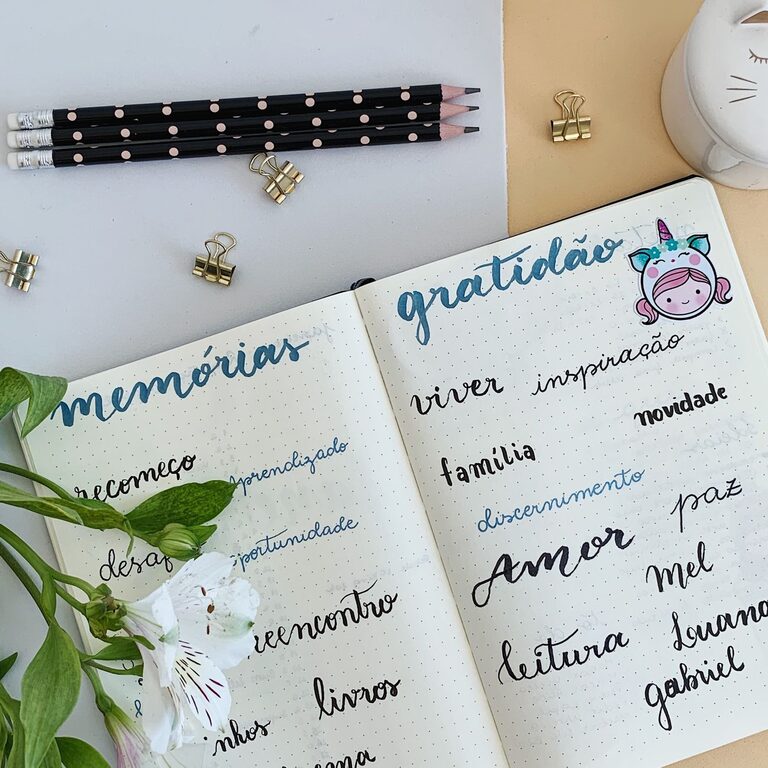
Gratitude journaling is a simple yet powerful practice that can help you shift your focus toward the positive aspects of life. By regularly recording things you are thankful for, you can improve your mood, reduce stress, and foster a more optimistic outlook. If you’ve ever wondered how to start a gratitude journal, this guide will walk you through the process step-by-step.
What Is a Gratitude Journal?
A gratitude journal is a dedicated notebook or digital space where you write down thoughts, experiences, or moments you appreciate in your daily life. It can be as simple as listing three things you’re grateful for each day or as detailed as reflecting on the reasons behind your gratitude.
Benefits of Keeping a Gratitude Journal
Before diving in, it’s helpful to understand why this practice is worthwhile:
– Improved Mental Health: Focusing on positive experiences can reduce anxiety and depression.
– Better Sleep: Reflecting on gratitude before bedtime can promote relaxation.
– Increased Optimism: Regularly acknowledging good things encourages a hopeful mindset.
– Stronger Relationships: Recognizing kindness helps strengthen bonds with others.
– Enhanced Resilience: Gratitude supports coping with challenges and setbacks.
Choosing the Right Journal
Physical or Digital?
Decide whether you prefer a traditional notebook or a digital option such as a journaling app or a document on your computer.
– Physical Journal: Writing by hand can feel more personal and help you slow down to reflect.
– Digital Journal: Offers convenience, easy editing, search features, and access across devices.
Style and Format
Choose a journal that feels inviting. This could be a simple lined notebook, a beautifully designed journal with prompts, or a minimalist digital template.
How to Start Your Gratitude Journal
Step 1: Set a Regular Time
Consistency is key. Find a time that works best for you to write in your journal. Many people prefer:
– Morning: To start the day with a positive mindset.
– Evening: To reflect on the day’s experiences before sleeping.
Step 2: Begin Small
Start by listing 3 to 5 things you’re thankful for each day. These can be big or small, such as:
– A delicious meal
– A kind gesture from a friend
– A moment of peace during your day
– A new opportunity at work
– The beauty of nature around you
Step 3: Be Specific
Instead of vague statements like “I’m grateful for my family,” try to be more detailed:
– “I’m grateful my sister called me today and made me laugh.”
– “I appreciate the warm cup of coffee I had this morning.”
Specific entries help you connect more deeply to the moment.
Step 4: Reflect on Why
Take a moment to consider why you are grateful. This deeper reflection can enhance your sense of appreciation. For example:
– “I’m grateful for my health because it allows me to enjoy daily activities.”
– “I appreciate my job for providing me with creative challenges.”
Step 5: Mix It Up
Keep your journaling interesting by varying your entries:
– Write about people, experiences, personal strengths, or things you’ve learned.
– Include quotes, affirmations, or even sketches if you enjoy creative expression.
Tips for Maintaining the Habit
Keep It Simple
Your gratitude journal doesn’t need to be time-consuming—5 to 10 minutes is enough.
Make It Visible
Place your journal somewhere you will see it every day, like your nightstand or desk.
Be Patient
It may take time before you feel the full benefits. Stick with it and notice small changes in your mindset.
Don’t Stress Perfection
There’s no right or wrong way to keep a gratitude journal. It’s a personal and flexible practice.
Sample Gratitude Journal Entry
Date: July 1, 2024
– I’m grateful for the sunny weather today because it lifted my spirits.
– I appreciate my coworker’s support during a challenging project.
– I’m thankful for the quiet moment I had with my morning tea.
– I enjoyed listening to my favorite podcast on the commute.
– I’m grateful for my pet’s playful energy—it brings joy to my day.
Additional Ideas to Enhance Your Practice
– Gratitude Jar: Write gratitude notes on slips of paper and collect them in a jar.
– Gratitude Prompts: Use daily prompts to inspire your writing, such as “Who made a positive impact on my life recently?”
– Share Gratitude: Express gratitude to others by writing thank-you notes or saying it aloud.
Conclusion
Starting a gratitude journal is an easy, inexpensive way to cultivate happiness and mindfulness. By dedicating just a few minutes each day to reflect on what you are thankful for, you create a positive habit that can enrich your life in many ways. Remember, the goal is progress, not perfection—enjoy the journey of discovering the good around you!