
Reducing food waste at home is an important step toward saving money, conserving resources, and protecting the environment. Every year, millions of tons of food are wasted worldwide, much of it from households. Fortunately, making a few changes in the kitchen and shopping habits can make a big difference. This post will explore practical ways you can reduce food waste at home.
Why Reducing Food Waste Matters
Before diving into tips, it’s helpful to understand why reducing food waste is valuable. Food production uses water, energy, and labor—all of which are lost if food is wasted. Additionally, wasted food often ends up in landfills, where it produces methane, a potent greenhouse gas. By minimizing waste, you support sustainability and reduce your household expenses.
—
Plan Your Meals Ahead
One of the most effective ways to prevent food waste is planning meals in advance. This helps you buy only what you need and avoid impulse purchases.
– Make a weekly meal plan: Write down meals for the week, including breakfasts, lunches, dinners, and snacks.
– Check your pantry and fridge first: Use ingredients already on hand before buying new ones.
– Create a shopping list: Stick to your list while grocery shopping to avoid buying unnecessary items.
Shop Smart
Smart shopping habits reduce the chance of buying perishable items that go unused.
– Buy loose produce: Purchase fruits and vegetables by the piece or weight instead of pre-packaged quantities so you can buy exactly what you need.
– Avoid bulk buying perishables: Only buy large quantities of items you know you can use before they spoil.
– Use your freezer: Buy perishable items on sale and freeze portions for later use.
Store Food Properly
Proper storage helps food stay fresh longer and reduces spoilage.
– Understand storage needs: Some foods do best in the fridge, others at room temperature. For example, tomatoes and potatoes should be kept out of the fridge.
– Keep your fridge organized: Use clear containers and group similar items together to easily see what you have.
– Use airtight containers: Store leftovers and opened packages in airtight containers to maintain freshness.
Use Leftovers Creatively
Turning leftovers into new meals is a great way to reduce waste.
– Repurpose leftovers: For example, roast chicken can be used in sandwiches, salads, or soups the next day.
– Freeze extras: If you have more leftovers than you can eat in a few days, freeze portions for later.
– Plan “leftover nights”: Dedicate one meal a week to using up leftovers.
Understand Food Labels
Food labels can be confusing and lead to unnecessary waste.
– “Best by” vs “Use by”: “Best by” dates indicate quality and not safety; many foods are still good after this date. “Use by” is the last recommended date for safety.
– Smell and look test: Use your senses to determine if food is still good rather than relying solely on dates.
– Freeze before expiry: Freeze perishable items before they reach their ‘best by’ or ‘use by’ date to extend their life.
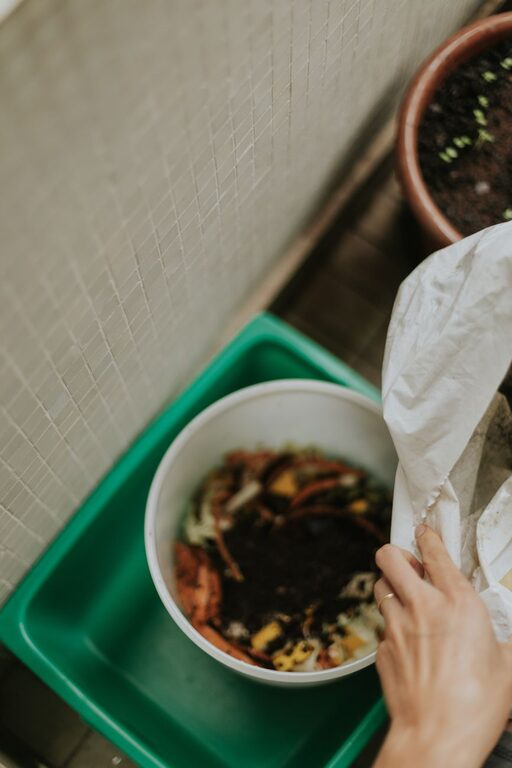
Compost Food Scraps
Not all food waste can be avoided, but composting helps reduce landfill waste.
– Start a compost bin: Use vegetable peelings, coffee grounds, and eggshells to create nutrient-rich compost for plants.
– Use community compost programs: Many towns offer compost collection if you don’t have space at home.
– Avoid composting meat and dairy: These items can attract pests and are not suitable for home composting.
Educate Your Household
Getting everyone in your household on board with reducing food waste makes the effort easier and more effective.
– Talk about waste reduction goals: Share why it matters and how each person can help.
– Encourage mindful eating habits: Serve smaller portions and encourage finishing plates.
– Involve kids: Teach children about food waste through fun activities like cooking or growing edible plants.
—
Final Thoughts
Reducing food waste at home doesn’t require drastic changes. By planning meals, shopping wisely, storing foods properly, reusing leftovers, understanding labels, composting, and involving your household, you can cut down on waste significantly. These small daily habits translate into savings and a positive environmental impact over time. Start with one or two tips today and build from there for a more sustainable kitchen.